06/11/2026
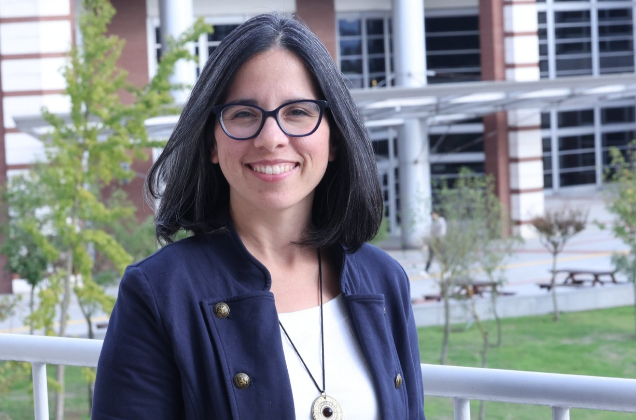
Duygu Kuzuoğlu-Öztürk has been working as a faculty member at Sabancı University Faculty of Engineering and Natural Sciences Molecular Biology, Genetics and Bioengineering Program since 2025. An important part of her scientific work consists of understanding the molecular mechanisms of prostate cancer and developing new treatment approaches.
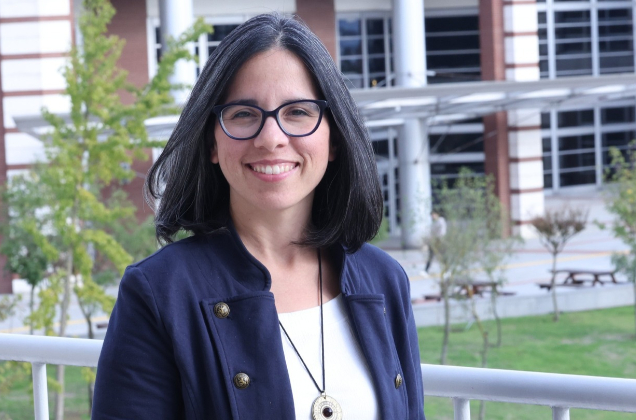
Research in the field of molecular biology and genetics seeks answers to many important questions, from the functioning of cells to genetic regulation processes. Duygu Kuzuoğlu-Öztürk is one of the leading scientists who makes a difference in this field with her scientific studies in fields such as RNA biology, gene expression regulation, and cancer research. Her studies, especially focusing on RNA-mediated gene silencing, cellular protein synthesis, and cancer-related molecular mechanisms, make a difference in terms of understanding biological processes and developing new treatment approaches.
Prostate cancer is a common disease
"Prostate cancer is a very common disease among men in the world and in Türkiye," said Kuzuoğlu-Öztürk, adding, "Although there are effective treatment methods today, we see that over time, patients develop resistance to these treatments and turn into the deadliest form of the disease, called castration-resistant prostate cancer. "
Kuzuoğlu-Öztürk's project titled "Beyond Transcription: A Non-Canonical Role for AR in Prostate Cancer", which received EMBO support in 2026, is noteworthy. In this project, the functions of the androgen receptor (AR), which plays an important role in the development of prostate cancer, are investigated. The aim is to contribute to the development of new treatment methods by revealing the unknown functions of this protein.
These studies do not yet provide a proven treatment directly in patients, but aim to form the scientific basis for new treatment strategies.
We asked Kuzuoğlu-Öztürk about her work, working conditions, and the difficulties she encountered in her newly established laboratory at Sabancı University.
Reyhan Oksay-When I look at your education and research process, I see that you were first interested in RNA biology and then worked on cancer biology. After focusing on the role of RNAs in protein production, why did you target prostate cancer and not other types of cancer?
Duygu Kuzuoğlu-Öztürk- Prostate cancer ranks 2nd among the cancers seen among men and unfortunately it still causes the death of many patients today. Therefore, the development of new treatment methods is crucial, and this is an essential source of motivation for us. The most important reason why I focused on prostate cancer in my last published study was that the molecule we used was very effective on prostate cells. During this time, my knowledge and curiosity about prostate cancer increased, so our current projects focus on this cancer. But we also work on colon and pancreatic cancer.
You explain that as a result of all your studies, you identified a very important protein called the androgen receptor and used a special chemical molecule to block the production of this receptor. I think that all these discoveries are the product of very meticulous and patient laboratory work. What is the role of chance and teamwork in this process?
The role of the androgen receptor in prostate cancer has been known for years, and most of the treatment methods currently applied to patients target this protein; that is, they try to prevent the growth of cancer cells by blocking its function within the cell as we know it. In this study, we investigate a different, hitherto undiscovered role of the androgen receptor in the cell. We aim to understand what this function means for the cancer cell and to stop cancer growth from a new and different perspective by blocking this function.
You work as the manager of a very young laboratory at Sabancı. Is the amount of Installation Grants you receive from EMBO sufficient to continue your work? Are you having trouble finding additional funding?
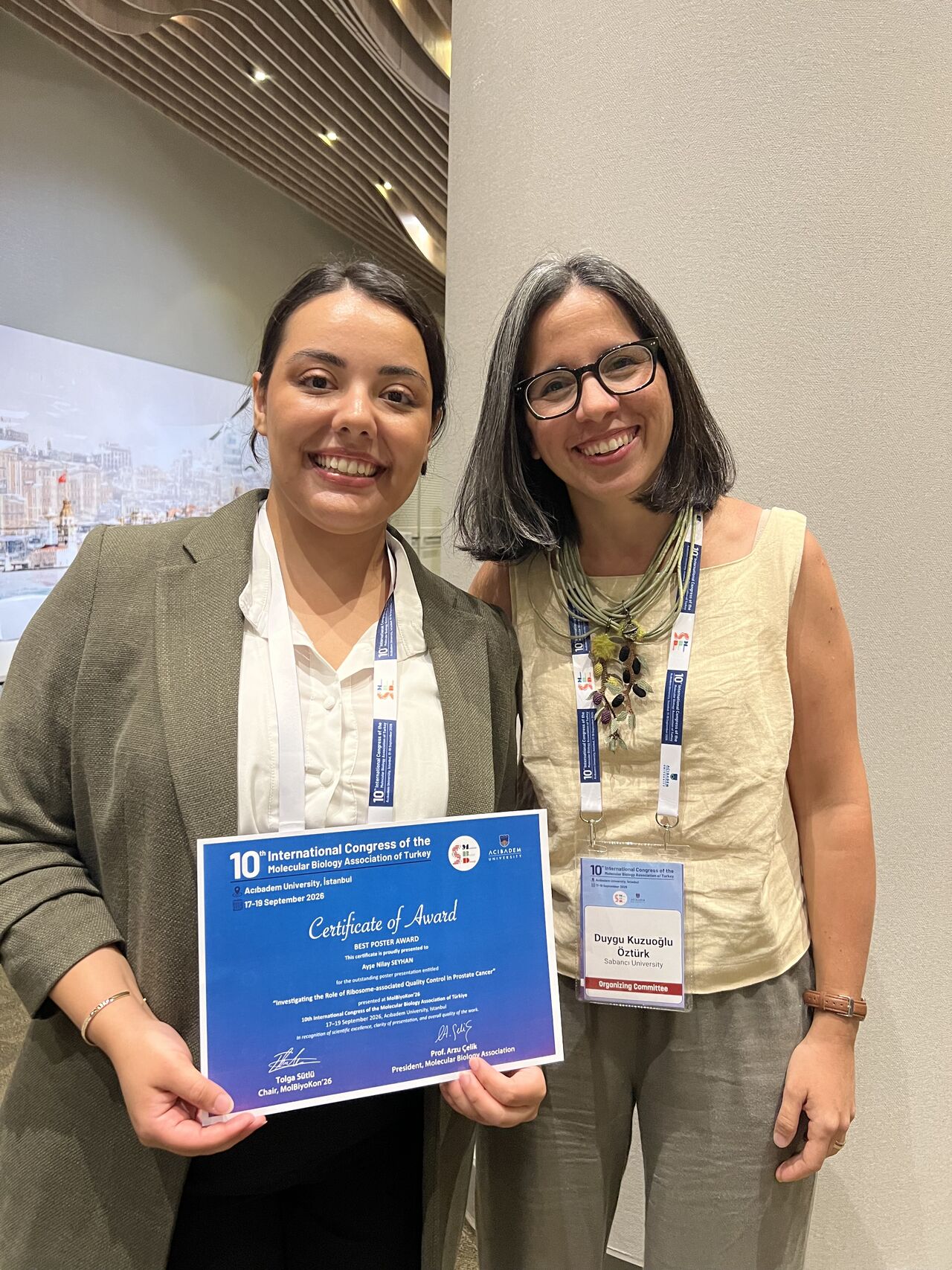
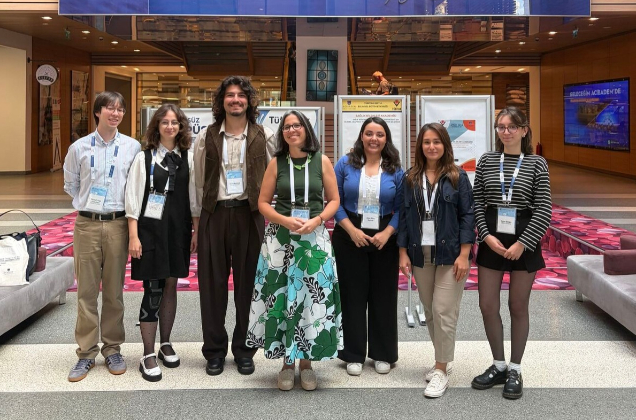
Our laboratory is not yet 2 years old and we are currently carrying out our work with 3 doctoral, 5 master's, and 2 undergraduate students. Molecular biology laboratories are particularly dependent on consumables, namely the media needed to grow cells, the enzymes, antibodies, kits, and plastics we use for basic experiments. It is not possible to continue our work without these materials. Although the EMBO Installation Grant is a very valuable resource at this stage, it is definitely not sufficient on its own. Our laboratory is currently supported by funds from both TÜBİTAK and Sabancı University. Apart from this, it is also worth noting that, like all academics, we are constantly in search of new funding. The fact that almost all the materials are imported abroad and that domestic budgets are quite limited may cause us to encounter budget obstacles in carrying out some of the experiments we dream of. Therefore, we are always looking for new resources.
What problems do you experience due to the high need for consumable materials in studies in the field of molecular biology and the fact that a large number of materials are imported in Türkiye?
*Unfortunately, the import and taxation of consumables is one of the biggest problems for us. While it takes 2-3 days for a material to arrive at a laboratory in the US or Europe, this time is around 6-8 weeks in our country, which causes both your work speed to slow down and sometimes limits what we can do. Especially the new customs controls that came into force this year made things even more difficult, and intermediary companies started to delay the materials they had already delivered for a long time, as they could not clear them from customs. Apart from this, unfortunately, 20% VAT is applied to every product used for research in our country, while research materials abroad are generally completely tax-free, which means that a significant part of our limited budgets is consumed.
It really takes a lot of time and effort to advance scientific studies. If we can remove preventable obstacles such as logistics problems and access to materials, we can be in a position to compete better with the world. These types of obstacles cause us to spend much more time than necessary on issues such as material delivery and inevitably cause our scientific focus to shift. However, the most valuable and irreplaceable thing is time. Even under conditions where everything is perfect, finding answers to the questions we ask is already very difficult and takes a lot of time. Therefore, we need to devote our time to scientific questions, projects, students, and joint collaborations so that we can do science at the same quality as the rest of the world and our publications can be published in journals of the same level.
You think it is necessary to increase your visibility in order to find support. What efforts do you and the university need to make to have your voice heard?
I wholeheartedly believe that society should know how and by whom scientific studies are carried out. This is very important both for our work to gain support and to be passed on to the new generation, and for young people to develop and protect their scientific thinking. Although I think social media is a good tool to reach young people on this issue, it is especially important to use it actively and correctly. I think that Sabancı University should use both media and social media platforms to make more active efforts to convey the studies carried out within the university to the society, to show what laboratory environments are like, and to introduce to society who we scientists are as humans. Especially the "scientist" prototype that we used to have in our minds needs to change. Currently, laboratories are very diverse and full of people from young to old, men and women with different backgrounds. Exposing this diversity is very important for young children, especially girls, who are interested in science to know that they have such an option and to understand that they are not alone.
How much do you benefit from artificial intelligence? How much easier does AlphaFold, an artificial intelligence program, make your job? Even though AI makes your job easier, isn't the main burden of research still on your laboratory work?
We use artificial intelligence for some analyzes in our research. It helps our work move faster. AlphaFold has taken a groundbreaking step in determining protein structures, and we use this program when necessary. But this only gives us a start. We still cannot fully model how proteins interact with other nucleic acids, especially RNA, in more complex environments such as cancer. These models are developing every day, however they all still need to be tested in the laboratory environment, both inside the cell and within the organism. Although AI has accelerated our work both in accessing information and with many different applications, we are far from understanding the equilibrium within the cell, so it is not possible to properly model a system that we do not fully understand. We just need to test the models we have created based on what we know in laboratories and see the results, which further increases the importance of the work we do in wet laboratories, such as ours.
Environmental factors are as important as genetic factors in cancer. For example, in prostate cancer. How much of a role do environmental factors such as nutrition and lifestyle play? Does Turkish cuisine have an effect on increasing cancer cases?
Recent studies on prostate cancer show that nutrition and regular exercise reduce the risk of cancer. This is important for patients receiving treatment, as well as for individuals at risk of prostate cancer. Eating a diet rich in vegetables, avoiding fatty meats, choosing lean protein sources, and consuming unprocessed foods as much as possible is also recommended for prostate cancer. Therefore, I think the question of how we use our Turkish cuisine, which has a very wide range, should be asked. Especially the vegetable- and olive oil-based habits of the Aegean and Mediterranean regions are quite compatible with the recommended diet.
If everything goes as planned, when do you think a promising, innovative treatment method will emerge from your studies?
Although our work is aimed at answering very basic questions, our biggest dream is to target the newly discovered mechanisms with different molecules. I hope this can happen in the next 5-10 years.
Do you think there is increasing interest in molecular biology, genetics and bioengineering? What are your suggestions to young people?
The field of molecular biology, genetics, and bioengineering is a field that attracts a lot of interest from young people around the world, and I think this is also the case for Türkiye. I see that young people do not understand exactly what we do, and they do not have a concrete idea in their minds about what they will become after graduating from this department. My suggestion is that during their high school years, if they are interested in science and biology, they should go to a research laboratory and spend 1-2 days, if possible. This type of experience will help them to find answers to the questions of what science is, how it is done, and who a scientist is. Students who graduate from this department have almost unlimited options: They can stay in academia and do research like I do, they can work in R&D centers of pharmaceutical companies, they can work in the patent offices of law firms or investment departments of large financial firms, they can become data analysis experts, they can work directly with patient samples in hospitals or private laboratories... The options are endless, as long as they are curious and follow their dreams.
https://www.youtube.com/watch?v=3bnNLbkVd6E
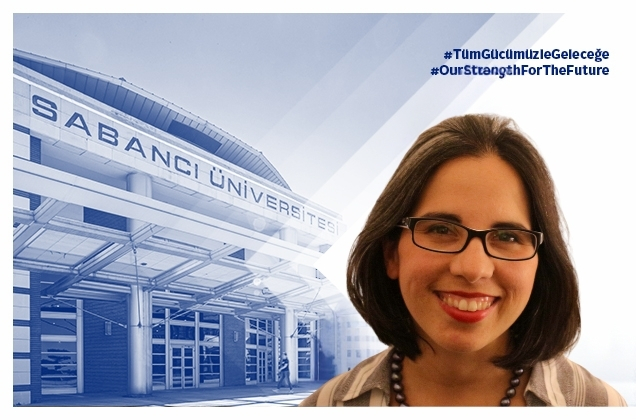
Who is Duygu Kuzuoğlu-Öztürk?
She received her undergraduate degree from Istanbul Technical University (ITU) Department of Molecular Biology and Genetics, her master's degree from Sabancı University Biological Sciences and Bioengineering Program, and then moved to Germany for her doctoral studies. She worked in the laboratory of Dr. Elisa Izaurralde at the Max Planck Institute for Developmental Biology in Tübingen. After completing her PhD with summa cum laude, she joined Dr. Davide Ruggero's laboratory at the University of California San Francisco (UCSF) as a postdoctoral researcher.
She won several competitive awards for her postdoctoral studies, including a European Molecular Biology Organization (EMBO) long-term fellowship, a Human Frontiers Science Program (HFSP) postdoctoral fellowship, and a research award from the UCSF Prostate Cancer Program. During her postdoctoral research, she had the opportunity to work with many different cancer models on the regulation of gene expression at the translation level. Her work in the field of prostate cancer was supported by the US Department of Defense (DOD). She started working as a faculty member at Sabancı University at the beginning of 2025. She established a new laboratory to continue her independent research. In addition to the TÜBİTAK 2232-A international fellowship for outstanding researchers, her studies were supported by TÜBA-GEBİP, Science Academy BAGEP, and the "L'Oreal-UNESCO For Women in Science" program. Dr. Kuzuoğlu-Öztürk currently continues her work and collaborations as an adjunct faculty member at UCSF.